



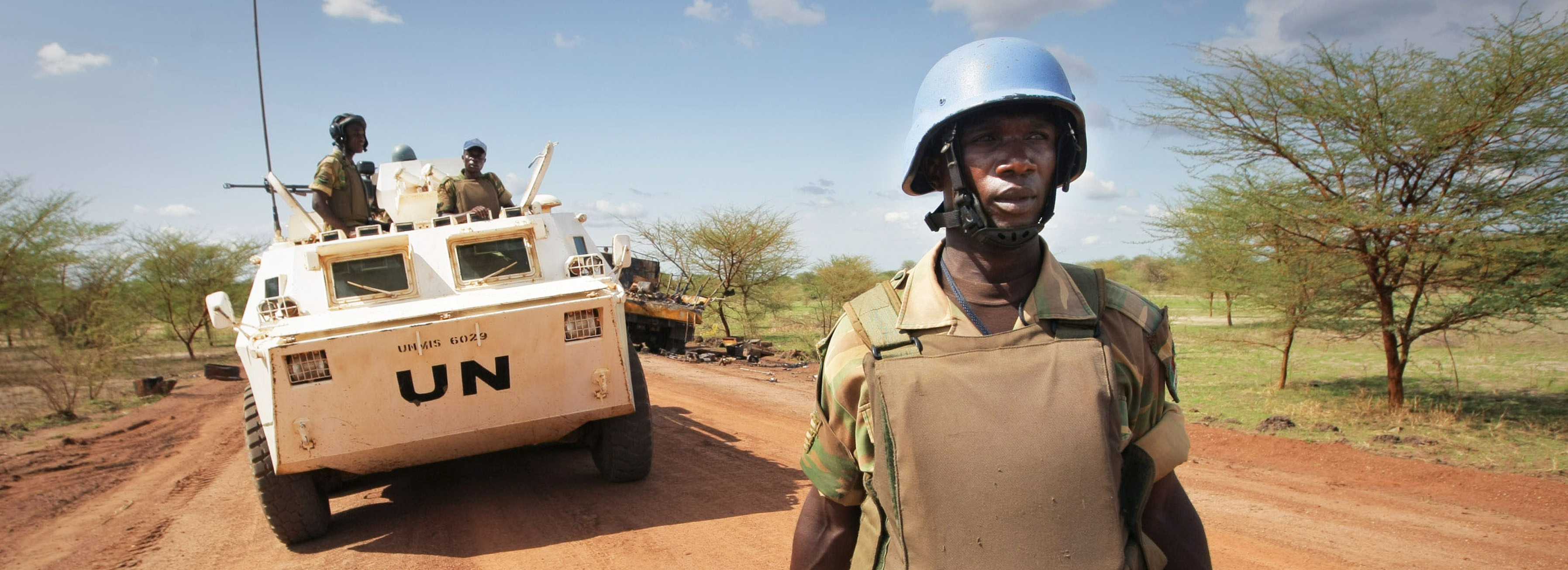
In the last blog entry, I talked to Ambassador Vicki Huddleston who suggested that America should focus on training and supporting African forces so they can battle extremists in the Sahel. In the wake of the Boston bombings, questions have arisen about immigration and the process of assimilation in the United States. We’re all trying to … Continue reading »
Tag Archives: Mali
What should the U.S. do and not do in Mali? Ambassador Vicki Huddleston Answers the Questions
When the French first intervened in Mali, Ambassador Vicki Huddleston penned an Op-Ed in the New York Times outlining reasons why the U.S. should assist France in fighting the terror group Al-Qaida in the Islamic Maghreb (AQIM). Huddleston was the United States ambassador to Mali from 2002 to 2005 and urged the U.S. not to intervene … Continue reading »
Current Conflict in Mali: A Conversation with Ambassador Vicki Huddleston
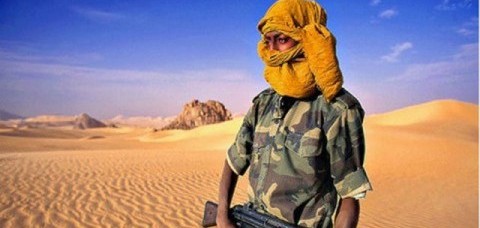
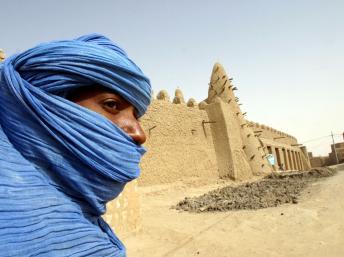
The U.S. has stated early and often that the terror group Al-Qaida in the Islamic Maghreb (AQIM) that roams parts of the Sahel region including Niger, Algeria and Northern Mali is considered as a direct threat to its national security. Cautious of the fact that direct involvement has produced mixed results in the past in other parts of the world, the U.S. is … Continue reading »
No End In Sight: France’s Mali Military Intervention
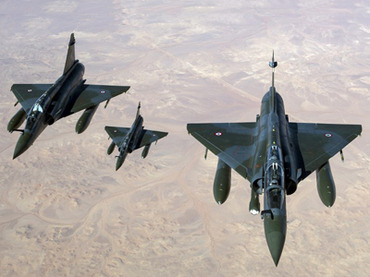
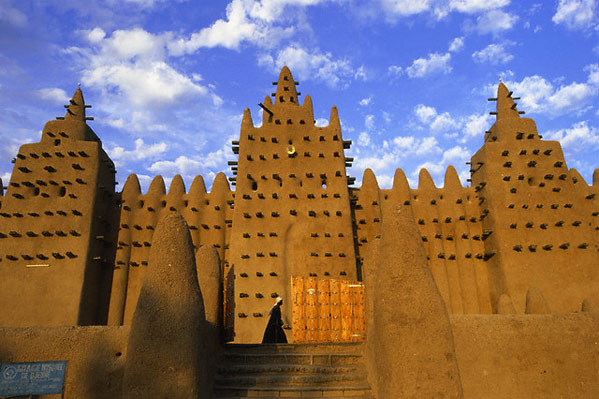
The French took the plunge and began attacking Islamist militant groups in Mali this week after regional leaders from the Economic Community of West African States (ECOWAS) hesitated for months. The instability in northern Mali dates back nearly a year and yet, until now, no agreement on a foreign intervention strategy could be reached. That stands … Continue reading »
Building Bridges: An Ambassador Reflects on U.S.-Africa Relations
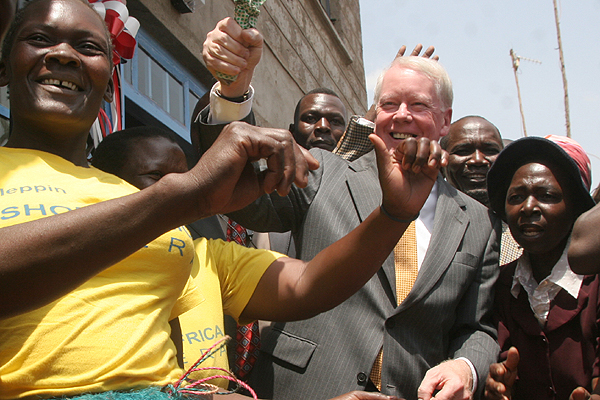
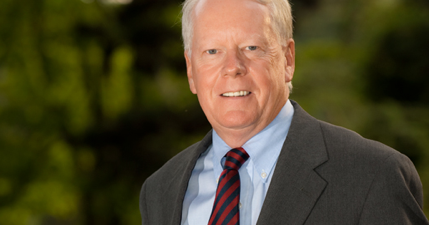
In the last blog entry, I wrote that Ambassador Michael E. Ranneberger was visiting the University of South Florida as part of an event sponsored by the Center for Strategic and Diplomatic Studies. Amb. Ranneberger gave a lecture titled “U.S. Foreign Policy in Africa: Lessons, Challenges, and Opportunities” through the center’s “Lecture Series on National Security.” … Continue reading »
U.S. Foreign Policy in Africa: A Lecture by Ambassador Ranneberger
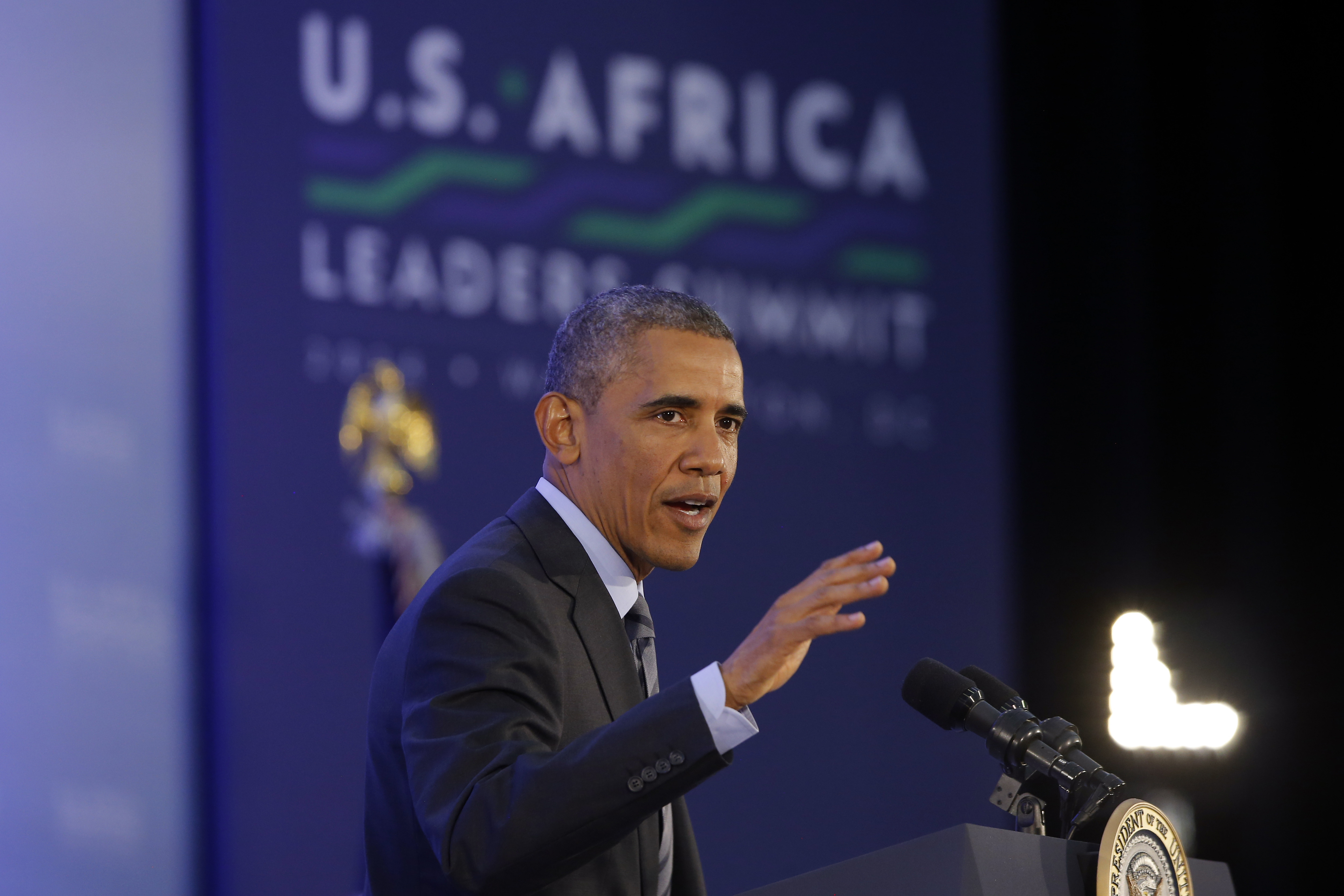
Topic of Discussion: “U.S. Foreign Policy in Africa: Lessons, Challenges, and Opportunities” In June, the Obama administration released an extensive document outlining its U.S. strategy toward Sub-Saharan Africa. In it, President Obama points out that the continent is “more important than ever to the security and prosperity of the international community.” However, many argue that U.S.-Africa relations … Continue reading »
If Africans had a Vote, Obama would Win in a Landslide
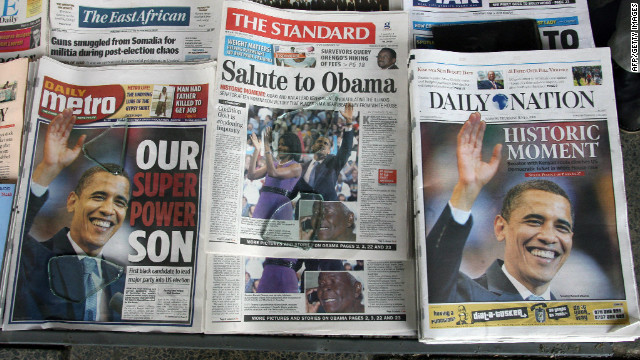
The final days of the campaign for the 2012 elections are upon us. Speculation by pundits, a barrage of polls and heated political discussions dominate the media in America. In this spirit, a panel of professors from around the world gathered at an event hosted by USF World and co-sponsored by the USF Chinese Culture … Continue reading »
Mali’s Coup: Mutiny Within a Blink of an Eye Or A Ticking Time Bomb?
In the past two months, West Africa has witnessed an unprecedented security threat as several governments were caught in the grips of coups or attempted coups. As Guinea-Bissau soldiers arrest the nation’s Prime minister over a suspected coup, Mali’s new interim civilian president got sworn into office last Thursday, after a 27 days long coup that has puzzled … Continue reading »
Democracy in Africa: Not Always as Gloomy
Senegal’s New President Despite a notion that Africa continues to be the continent where autocratic regimes forcefully replace each other through bloody warfare, in the past two decades, according to the Africa Center for Strategic Studies, there is a significant increase in the number of democratic countries in the continent. Sure, there are setbacks in … Continue reading »